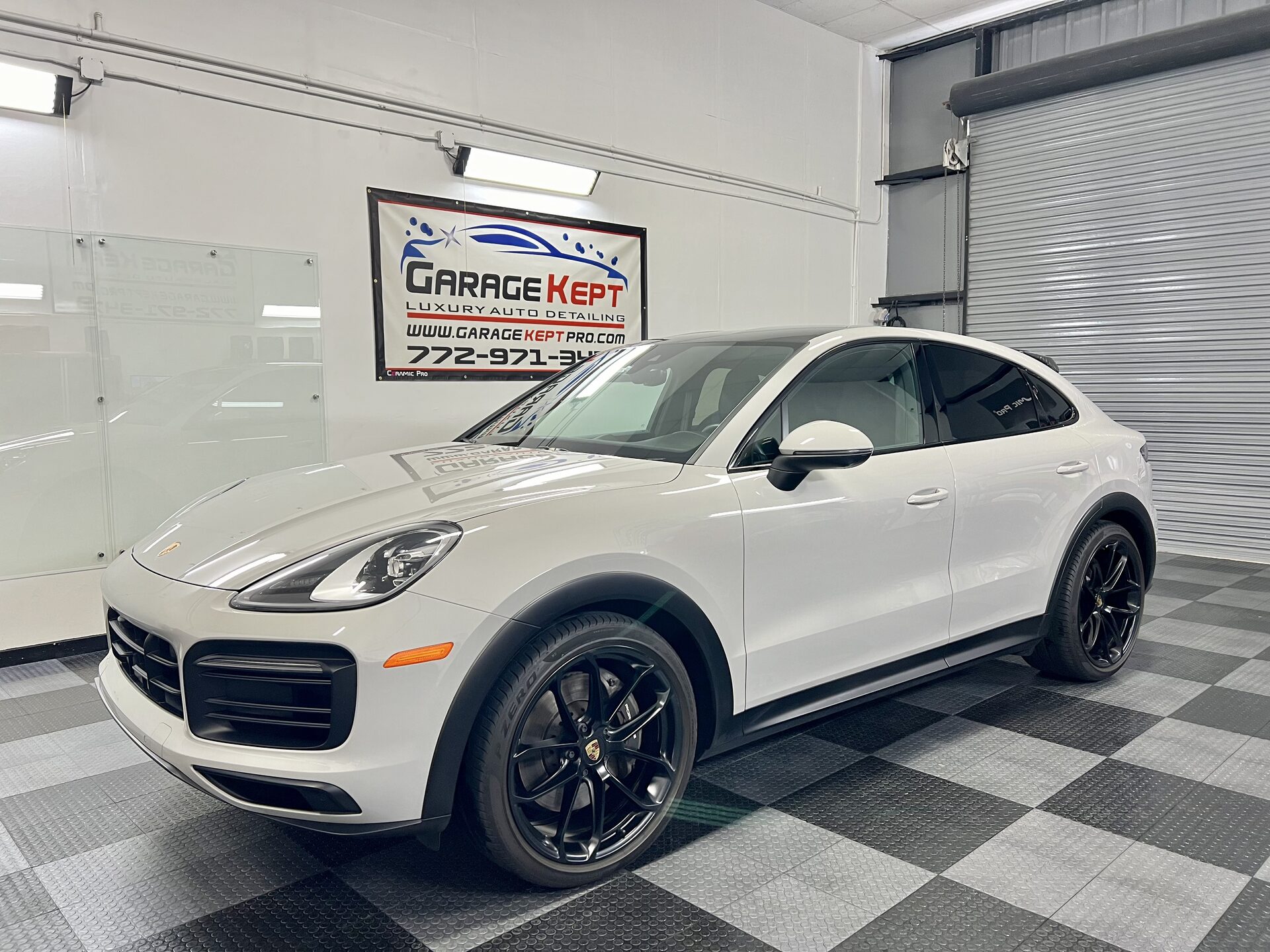
Ask ten detailers if ceramic coating is worth it and ten of them will say yes. We install it every week, and we're still going to give you the honest version — because a coating sold on hype is a coating that disappoints, and a disappointed customer is worse for us than a lost sale.
So here it is. In Florida, a properly installed ceramic coating is one of the best-value things you can do for a vehicle you plan to keep. But "worth it" depends entirely on what you expect it to do.
What ceramic coating actually does
A ceramic coating is a liquid polymer that bonds to your paint and cures into a hard, glass-like layer. Once it's on, it does a few things very well:
It makes the surface hydrophobic, so water beads up and sheets off instead of sitting and drying into spots. It adds real gloss and depth — a coated car looks wetter and richer under the sun. It resists UV, so your paint and clear coat oxidize far more slowly. And it makes the car dramatically easier to clean, because contaminants can't grip the slick surface the way they grip bare paint.
That last point is the one most people underrate. The biggest day-to-day benefit of a coating isn't how it looks the day you pick it up — it's how little effort it takes to keep it looking that way for years.
What it does NOT do
This is where the hype gets people, so we'll be blunt.
A ceramic coating is not a force field. It will not stop rock chips. It will not prevent a shopping cart from denting your door or a key from scratching your paint. It reduces light swirling from improper washing, but it is not scratch-proof — anyone who tells you otherwise is selling you something.
If your main concern is physical impact protection — rock chips on the front end, road debris, track use — that's a job for paint protection film, not ceramic coating. The two do completely different things, and most of our clients on higher-end cars end up doing PPF on the impact zones and ceramic over the whole vehicle. They're partners, not competitors — we broke down the difference in ceramic coating vs PPF.
Why Florida changes the math
Here's why we say a coating is genuinely worth it here specifically, more than it might be in a milder climate.
Florida is brutal on paint. The UV index is high nearly year-round, and unprotected clear coat oxidizes and dulls fast. We're on the coast, so salt air is constantly working on every exterior surface. Summer brings love bug season twice a year — and love bug guts are acidic enough to etch paint permanently if they bake on in the sun. Add daily humidity, afternoon storms, sprinkler overspray full of hard minerals, tree sap, and pollen, and your paint is under attack basically every day it sits outside.
A coating doesn't make any of that disappear. What it does is buy you time and make cleanup easy. Love bugs rinse off a coated surface far more readily. Water spots are less likely to bond. Oxidation is slowed dramatically. In a climate this aggressive, "easier to clean and slower to degrade" translates into real preserved value over the years you own the car.
Who it's worth it for — and who should skip it
It's worth it if you're keeping the car a while, you care how it looks, and you'd rather spend fifteen minutes on a maintenance wash than an afternoon fighting baked-on grime. It's especially worth it on a new or freshly corrected vehicle, because you're locking in paint that's already in its best condition.
It's probably not worth it if you're planning to sell or trade the car in the next several months, if it's a pure beater you don't care about, or if you're expecting it to prevent scratches and chips — because it won't, and you'll feel let down.
The part most people miss: it's only as good as the install
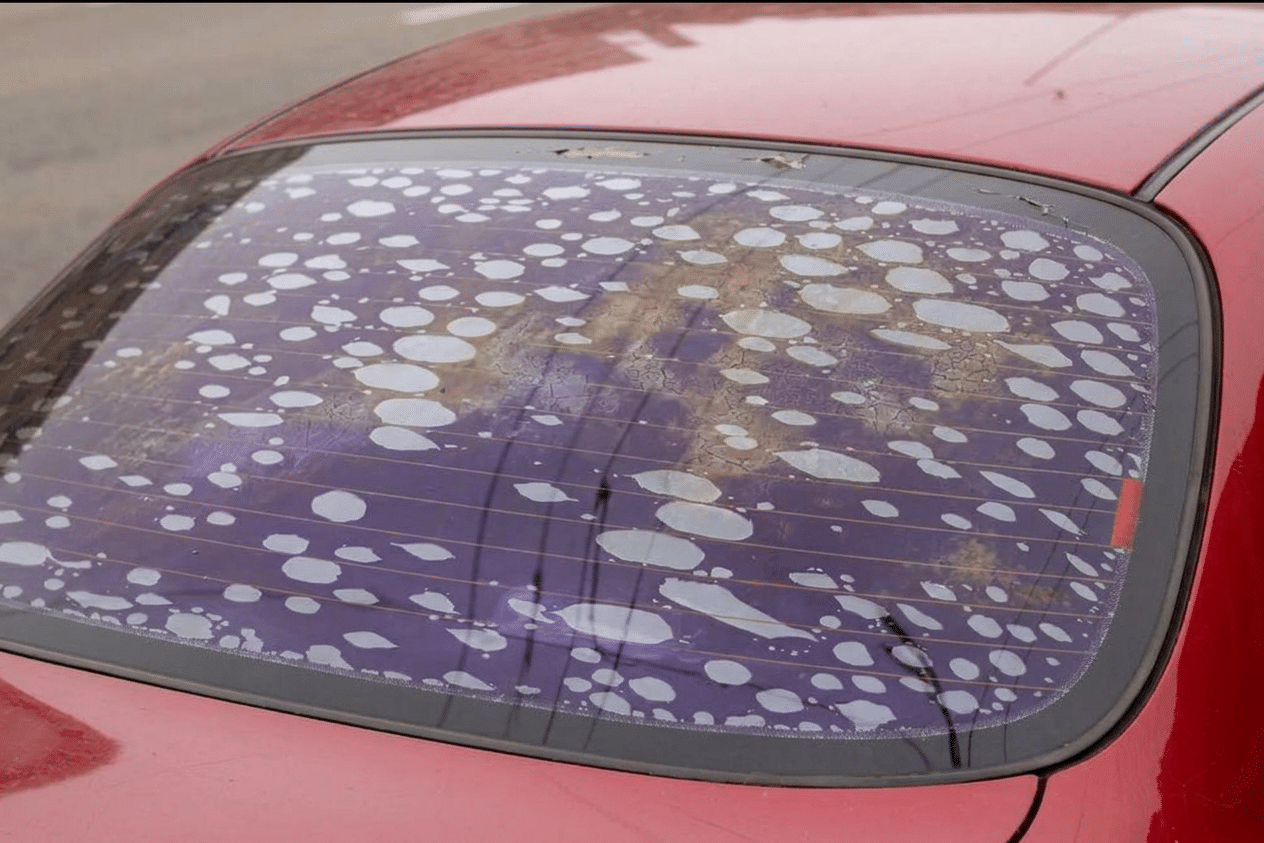
A coating bonds to the surface it's applied to. If it goes on over swirls, oxidation, or contamination, it locks all of that in permanently. That's why real coating work is mostly prep — decontamination and paint correction — before a drop of coating ever touches the car. A cheap, fast coating job skips that step, and it shows within months.
It also matters who applies it. As a Certified Ceramic Pro installer, we can register the coating to your vehicle's CARFAX and back it with a manufacturer warranty — documentation a future buyer can actually see. Most shops that sell "ceramic" can't offer either, because they aren't factory-certified. The product on the shelf might be similar; the accountability behind it isn't.
The honest bottom line
For a car you plan to keep and care about, in a climate as hard on paint as ours, a properly prepped and professionally installed ceramic coating is absolutely worth it — as long as you understand it's about preservation and ease of care, not armor. Pair it with PPF where you need impact protection, keep your expectations honest, and it'll pay you back every time you rinse the car and watch it come clean in half the time.
If you want a straight answer about whether it makes sense for your vehicle, call or text Shawn at (772) 971-3479. We'll tell you honestly if it's worth it — even if the answer is not yet. Or request a quote.