Not all detail shops are the same, even when the service menus look similar.
From the outside, it can all feel pretty close — wash, interior, wax, ceramic, whatever. But once you know what to look for, the differences are obvious.
What a real shop looks like
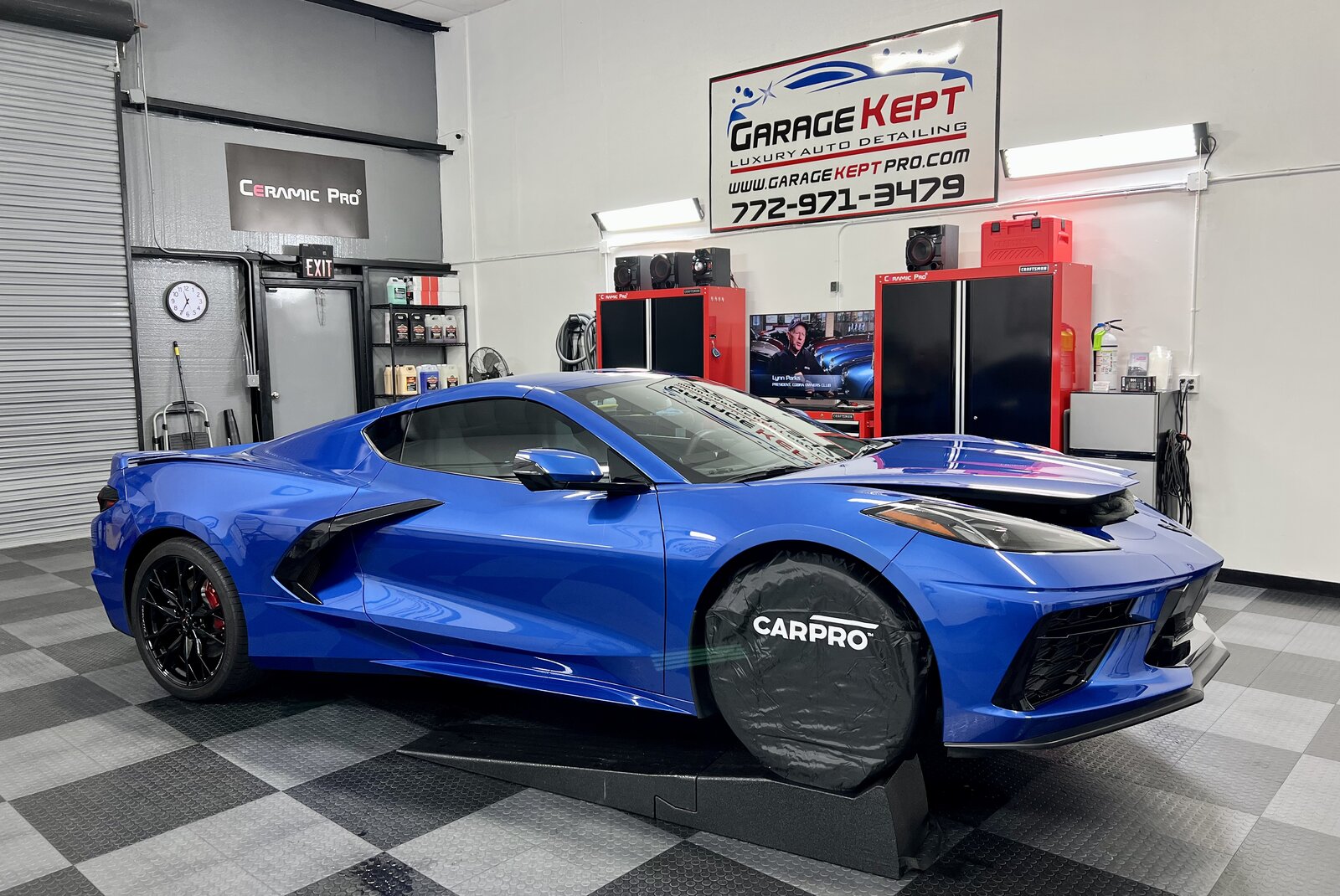
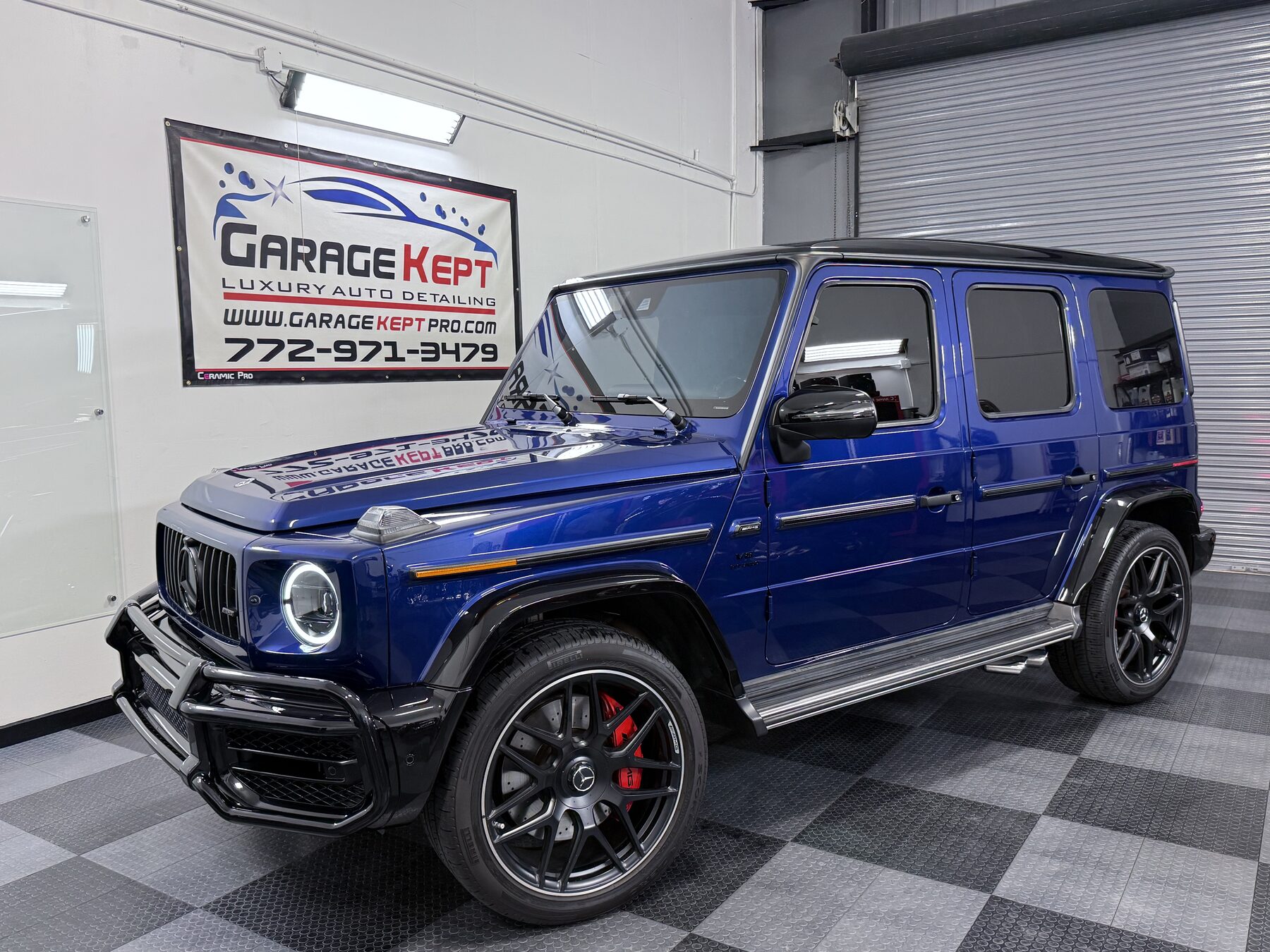
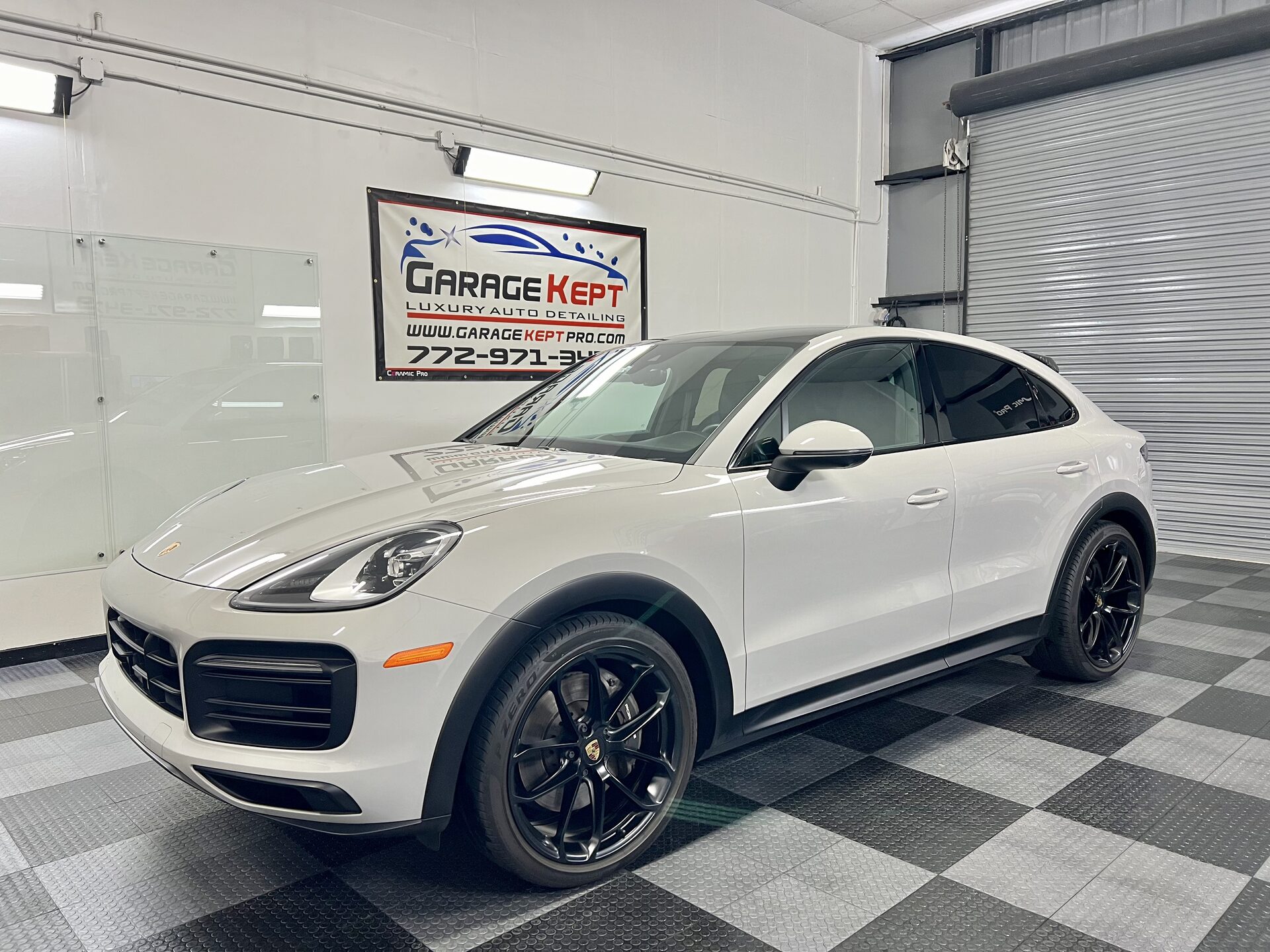
- A controlled, indoor environment. Detailing outside means dust, pollen, bugs, and direct sun messing with products and finishes. Real correction work has to be done indoors, in the shade, on a clean floor.
- Proper lighting. Swirl marks, hologramming, and fine scratches are invisible under normal shop lights. You need high-output LED swirl finders to see what you're actually working on. If the shop can't show you the paint under proper light, they can't correct it correctly either.
- Experience with paint correction. Polishing is a skill. Done wrong, it burns through clear coat. Done right, it removes defects without taking more off the paint than needed. This is the part that separates actual detailers from guys with a buffer.
- Knowledge of protection. Ceramic coatings and PPF aren't products you just slap on — prep is most of the job. If the prep is rushed, the coating fails early.
- Consistent results, not just highlight jobs. Anyone can make one car look good for Instagram. Real shops have 50 cars that all look like that — see our gallery.
What a lower-end shop usually is
Most "detail" shops are really fast-turnaround wash shops. The model is volume — wash, vacuum, dressing, shine, out the door in an hour.
That's not bad for what it is, but it's not detailing in the real sense. It's cleaning.
Which is fine if cleaning is what you want. But if you're trying to protect the car, correct actual defects, or get a finish that lasts — that's not the shop for it.
The difference in approach
A cleaning shop is trying to make the car look better than it did this morning.
A real detail shop is trying to make the car look better than it did when you bought it — and make sure it still looks that way two, three, five years from now.
That means more time per vehicle. More steps. Real prep. Real correction. Real protection.
It's a different level of work. It's also a different level of result.
What to ask
If you're trying to figure out whether a shop is legit before you hand over keys, a few questions usually sort it out fast:
- Do you work indoors under controlled lighting?
- Can you walk me through your paint correction process?
- What coatings do you offer, and who's certified to install them?
- Can I see recent work from cars similar to mine?
- What's the warranty, and what does it actually cover?
The answers will tell you everything. If you want to know how we work, read about the shop or reach out directly.